Solar Battery Backup & Standby Generators in Dallas-Fort Worth
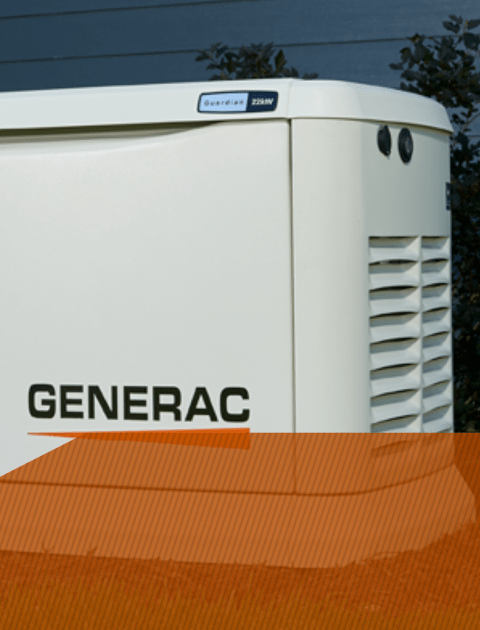
When the Texas grid goes down — and it does, multiple times a year — your home shouldn’t have to. North Texas Solar designs and installs solar battery backup systems, whole-home battery storage, and standby generator integrations across the Dallas-Fort Worth Metroplex. From a single battery keeping your essentials running through a short outage to a full whole-home backup with generator support for extended emergencies, we’ll size and install a system that fits your home, your budget, and how you actually use power.
We’ve been installing battery backup systems since 2015, and we’re a Tesla Certified Installer with experience across multiple battery brands and standby generator integrations. Request a free backup power consultation or call us at (940) 387-2716.
Why Dallas-Fort Worth Homes Need Backup Power

The Texas grid has had a hard decade, and the issues haven’t gone away.
Energy independence. Paired with solar, a properly sized battery system lets your home operate largely independent of the grid — generating, storing, and using your own power.
Time-of-use rate protection. As more Texas utilities shift toward time-of-use pricing, battery storage lets you store solar production during the day and pull from your battery during peak-rate hours instead of buying expensive grid power. This is becoming an everyday economic benefit, not just an outage protection. Another emerging option is pairing battery storage with free nights plans, where available, to store free power at night to use during the day.
Winter Storm Uri (February 2021). Millions of Texans lost power for days during sub-freezing temperatures. Pipes burst, food spoiled, homes turned dangerously cold. ERCOT issued emergency conservation alerts and rolling outages that lasted far longer than promised. Homeowners with battery backup systems kept their lights on, their food cold, their refrigerated medications safe, and their phones charged.
Summer ERCOT alerts. Every Texas summer brings high-demand events where ERCOT issues conservation notices and asks homeowners to reduce usage to avoid rolling blackouts. Most years we get through without major outages, but the margin is thin.
Storm season. North Texas takes major hailstorms, tornado-related power outages, and severe thunderstorm events that knock out grid power for hours to days. Backup systems run your home through all of it.
Battery Backup vs. Standby Generators vs. Hybrid Systems
The three main approaches to whole-home backup work differently. The right choice depends on your goals, your usage, and your budget.
Battery Backup Only
Solar-charged battery systems are silent, require no fuel, and seamlessly take over the moment grid power drops. They power your home from stored energy and recharge from your solar panels during the day. The trade-off: battery capacity is finite, so during multi-day outages with cloudy weather, you may run out of stored energy.
Best for: homes with solar (existing or planned), moderate backup needs, and a preference for quiet, low-maintenance operation. This option also pairs extremely well with free nights electricity plans, where available.
Standby Generators Only
Permanently installed natural gas or propane generators kick on automatically when the grid drops. They can run indefinitely as long as fuel is available. The trade-off: noisier than batteries, require periodic maintenance, and run on fossil fuels with variable costs (no environmental benefit during operation).
Best for: homes without solar, very large electrical loads, or properties where extended multi-day outages are a real risk.
Hybrid Systems (Battery + Generator)
The most resilient approach. Battery storage handles the first many hours of an outage silently. If the outage extends beyond battery capacity (and solar can’t keep up due to weather), the generator kicks in to recharge the battery bank. Provides both the everyday benefits of battery storage AND the unlimited runtime of a generator.
Best for: homes that want true energy resilience for any-duration outages, including the kinds we saw during Winter Storm Uri.
We design and install all three configurations. Which one is right for your home depends on factors we’ll walk through during your consultation.
Battery Storage Options We Install
We’re not locked into a single battery brand. Since we have experience with almost every major brand, our approach is to suggest whichever manufacturer fits best with your specific backup power goals. We install several major systems depending on what fits your home best:
Tesla Powerwall 3
The most well-known home battery system, with an integrated solar inverter and seamless Tesla app monitoring. 13.5 kWh of usable capacity per unit, 11.5 kW continuous power output. Stackable to multiple units for larger homes. Learn more about our Tesla Powerwall 3 installation service.
Enphase IQ Battery
Modular system that pairs naturally with Enphase microinverter solar systems. Available in multiple capacity tiers, allowing customers to start small and add capacity later. Excellent monitoring app and granular per-microinverter visibility.
EG4
Higher-capacity battery systems often used for larger homes and off-grid applications. Strong value per kWh stored. Configurable for both AC-coupled and DC-coupled installations.
Sol-Ark
Hybrid inverter-battery systems used widely in off-grid and battery-heavy installations. Sol-Ark inverters can handle complex backup scenarios with multiple input sources (solar, battery, grid, generator) intelligently.
During your consultation, we’ll evaluate which battery fits your home best based on your existing solar (if any), your usage patterns, your backup goals, and your budget. The right battery for one home isn’t always the right battery for another.
Standby Generator Integration
Standby generators are a key part of complete energy resilience for many homes. We design and integrate generator systems alongside battery storage to give you backup power that handles any-duration outages.
What we install:
- Natural gas standby generators — most common in DFW homes with natural gas service. Kick on automatically, run indefinitely as long as gas is available.
- Propane standby generators — for homes without natural gas, propane-fueled units with on-site tank storage.
- Generator-battery integration — connecting the generator into your battery system so it automatically recharges the batteries during extended outages.
Sizing matters. A generator that’s undersized won’t handle your peak loads (AC compressor startup, well pumps, etc.). One that’s oversized wastes money and fuel. We size generators based on your actual electrical loads, not generic rules of thumb.
Permitting and gas line work. Standby generators require permitting and proper gas line installation. We handle the coordination.
Why integrate with battery storage? A standalone generator wakes up, runs for hours, then shuts down — every grid blip turns into an extended generator run. A battery-first system handles short outages silently, only firing up the generator if the outage extends past battery capacity. Less wear on the generator, less fuel consumed, less noise.
Essential Loads vs. Whole-Home Backup
Not every battery system has to power your entire home. There are two main configurations:
Essential Loads Backup
The most cost-effective option. Your battery is sized to power critical circuits during an outage — refrigerator, lights, internet, security system, a few outlets, the HVAC fan (so your central HVAC keeps moving air), maybe a small window AC unit for one room. Most homes can get 1-3 days of essential loads coverage from a single Tesla Powerwall 3 or equivalent.
Whole-Home Backup
Powers your entire home including AC, electric water heater, electric oven, and every outlet. Requires substantially more battery capacity — typically 2-4 Tesla Powerwall 3 units (or equivalent in other systems) for a typical DFW home. Costs more, but provides the same experience you have on grid power even during an extended outage.
The hybrid approach. For homes that want whole-home backup but want to manage costs, we can configure systems that run essential loads from battery during normal outages and bring in the generator for whole-home operation when batteries get low. Best of both worlds.
The right configuration depends on what you actually want to be able to do during an outage. We work through that with you during the consultation.
Our Backup Energy Installation Process
From consultation to your system being live:
1. Initial consultation. A conversation about your goals, your home, your existing electrical setup, and any solar you already have. We’ll ask what you want backup power to do for you and how long an outage you want to be able to handle.
2. Energy audit and design. We pull your utility usage history, walk through your priority loads, evaluate your roof and electrical panel, and design a system sized for your goals. You’ll get a detailed proposal with system specs, expected costs, applicable incentives, and timeline.
3. Site survey. We verify electrical panel capacity, battery placement options, generator placement and gas line considerations (if applicable), and any structural or code considerations.
4. Permitting, HOA, and utility coordination. We handle city permits, HOA approval if needed, and utility interconnection paperwork. This is the slowest part of any backup project, typically 2-4 weeks.
5. Installation. Most battery-only installs take 1-3 days on-site. Battery + generator installs take longer (typically 3-7 days) due to the additional electrical and gas work. Our in-house crews handle the installation.
6. Commissioning. We test every part of the system, set up your monitoring apps, walk you through how it works, and verify backup transitions function properly. We won’t sign off until your system passes our commissioning checks.
7. Permission to Operate (PTO). Once your utility issues PTO (if your system includes grid-tied solar), your system is officially live. We stay your point of contact for the lifetime of the system.
Service Areas
We install backup energy solutions across Dallas-Fort Worth including Fort Worth, Dallas, Denton, Arlington, Plano, Frisco, McKinney, Carrollton, Richardson, Garland, Mansfield, Keller, Southlake, Grapevine, Lewisville, Irving, Allen, and surrounding cities. Contact us to confirm service in your area.
Frequently Asked Questions
How much does a battery backup system cost? Battery backup costs vary based on capacity needed (essential loads vs. whole-home), battery brand, whether you already have solar, and whether the system includes a standby generator. Most DFW residential battery backup installations range from $25,000 to $50,000+ depending on configuration. We provide detailed pricing in your free quote with all line items broken down.
How long does battery backup last in an outage? Depends on what you’re running and how much battery capacity you have. For essential loads (refrigerator, lights, internet, HVAC fan, basic outlets), one Tesla Powerwall 3 or equivalent typically lasts 24-48+ hours. For whole-home operation including AC, you’ll need more battery capacity. We model expected runtime during your consultation based on your specific load profile.
Do I need solar to install battery backup? No — batteries can run from the grid alone, but there are specific cases where this option really makes sense. A battery only system can be an excellent investment if you are in an area where you have access to a free nights electric rate. This allows you to charge your batteries for free overnight when grid demand is low, and use that power during the day when power is costing you money.
What’s the difference between a battery and a generator? Battery storage is silent, requires no fuel, and runs from your solar production. It’s better for everyday economic value and shorter outages. Generators are louder, require fuel (gas or propane), but can run indefinitely. Many homes benefit from both — battery for daily use and short outages, generator for extended emergencies. We configure hybrid systems specifically to handle both scenarios.
Can I add battery storage to my existing solar system? Yes, in most cases. We’ll review your current inverter and panel configuration, your electrical panel capacity, and your usage patterns to determine the best integration approach. Some existing systems need inverter changes; others integrate cleanly with new battery hardware.
Which battery brand is best? Depends on your situation. Tesla Powerwall 3 is the most well-known with the slickest app. Enphase IQ Battery is excellent if you already have Enphase microinverters. EG4 and Sol-Ark are great for larger systems or off-grid applications. We don’t push one brand — we recommend what fits your specific home best.
What’s the warranty on a battery backup system? Battery manufacturers provide 10-year warranties on Tesla Powerwall, Enphase IQ Battery, and most other major brands. North Texas Solar adds a 25-year workmanship warranty on our installation. We’re also covered by a $25,000 third-party workmanship guarantee through our Good Contractors List membership.
Will battery backup pay for itself? The economic case for battery backup depends on your utility rate structure, the Oncor incentive (if applicable), the federal tax considerations on your specific financing arrangement, and how often you experience outages. For homes in Oncor’s service area on time-of-use rates, the math often works well. For homes where outages are infrequent and rates are flat, the case is more about outage protection than direct savings. We model the economics for your specific situation during the consultation.
How long does the installation take? Battery-only installations take 1-3 days on-site. Battery + generator installations take 2-4 days. The full timeline from signed contract to live system, including permitting and utility coordination, is typically 4-8 weeks.
Can battery backup work during long power outages like Winter Storm Uri? Yes, but properly sized. For a multi-day outage like Uri, you need either enough battery capacity to handle the duration OR a battery + generator hybrid system that can recharge from the generator. We design Uri-resilient systems for homeowners who specifically want that level of protection.
Get a Free Backup Energy Quote
If you’re considering battery backup, standby generator integration, or a hybrid system for your home, we’d be glad to walk through what makes sense for your situation. The consultation is free, the proposal is detailed, and you’ll come away with real numbers and a clear understanding of your options.
Call us at (940) 387-2716 or request a free quote online.
We’re a locally-owned solar installer based in Fort Worth, serving Dallas-Fort Worth homeowners since 2015. Tesla Certified Installer, Good Contractors List member, and BBB-accredited.